
Becoming a Parent: Caring for Your Baby Means Caring for You, Too
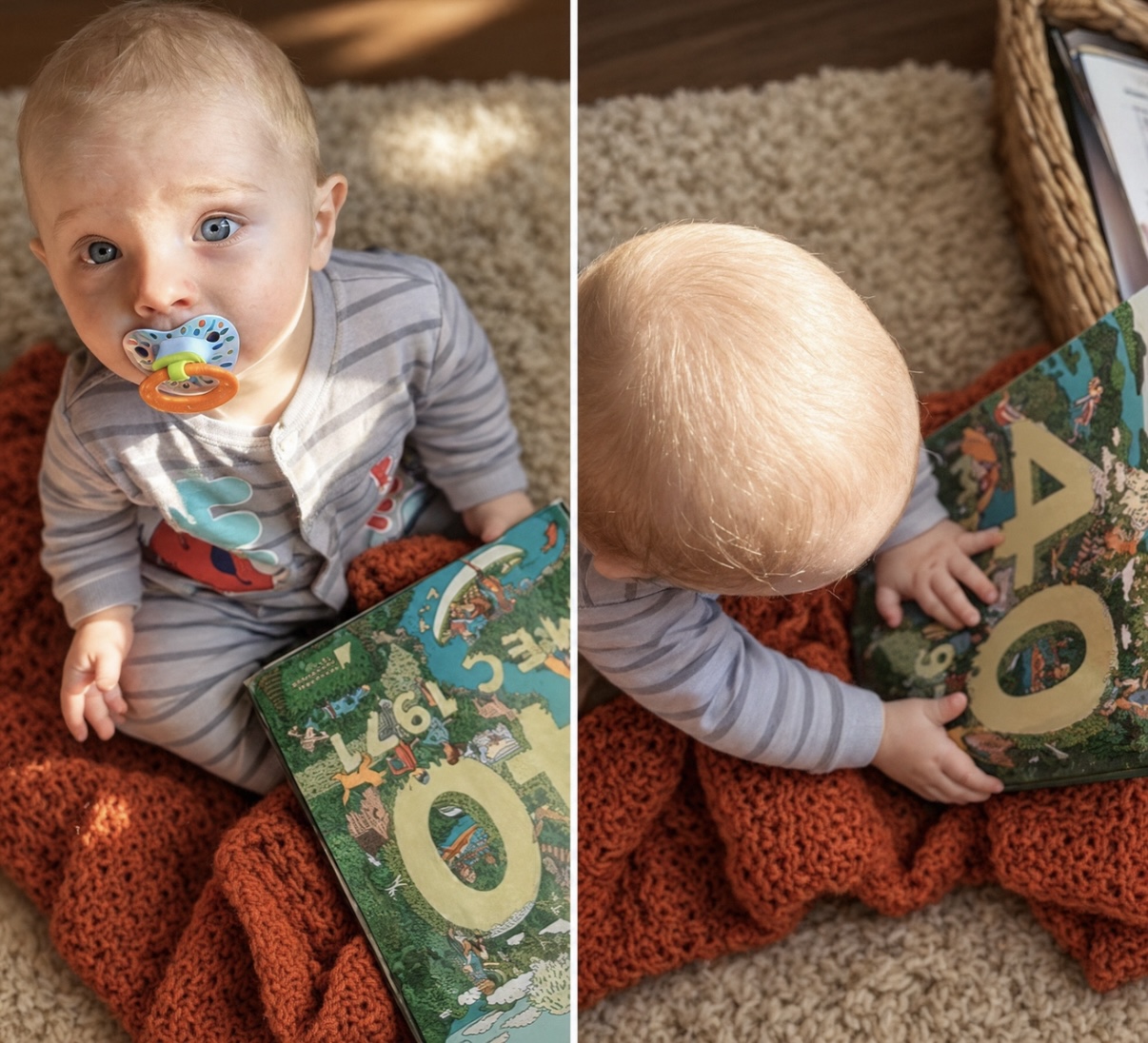

Everyone’s experience of pregnancy and parenthood is different, but there is one thing they have in common: they change you.
Maybe you changed your diet because your baby has an allergy.
Maybe you stopped exercising in favour of getting a little more sleep.
Maybe those podcasts you enjoyed in the car have been replaced by songs to entertain the kids.
Maybe you find yourself skipping social gatherings because you feel guilty leaving the kids.
Maybe you stopped participating in certain activities because you now worry about something happening to you.
Maybe you left your job to care for your children.
Some of these changes may have been intentional, while others happened gradually, without you even noticing. And somewhere amidst all of these changes, you may begin to notice a shift in your mood or your sense of self.
Your mind and body are adjusting to a significant life transition, and sometimes that adjustment takes time.
Give yourself a little compassion. You are still in there.
You can love who you are becoming and still miss who you were before. Two things can be true.

When Adjustment Becomes Something More
Symptoms of anxiety and low mood are extremely common throughout the journey to and through parenthood, from planning for a child to long after their arrival.
Sometimes these symptoms are mild and resolve on their own without significantly impacting a person’s daily life.
However, approximately one in five women experience clinically significant mood or anxiety disorders during the perinatal period. Symptoms may be more intense, persist for longer periods of time, cause significant distress, and make it difficult to navigate everyday life.
Despite how common these experiences are, many people do not seek help or share the extent of their struggles.
Sometimes symptoms are minimized or dismissed as being “just hormones” or the baby blues. Other times, intrusive thoughts, excessive worry, or heightened vigilance may be mistaken for necessary parts of parenting, particularly when they are perceived as helping to keep a child safe.
It can be difficult to recognize when understandable concerns about your child’s well-being have become a source of significant distress in your own life.
Some people do not realize how much they struggled until they look back years later. I have heard many parents reflect on those early years and express how much they wish they had received more support during that time.

You Don’t Have to Wait Until You’re Struggling
Whether you are currently experiencing difficulties or simply wanting to maintain your emotional well-being, counselling can offer meaningful support throughout the journey to and through parenthood.
Counselling can help prevent or reduce the severity of certain perinatal mental health symptoms, support adjustment to changing roles and responsibilities, and provide a space to explore the emotional complexities of becoming a parent.
You do not have to wait until your symptoms become overwhelming to reach out for support.
There is help. There is treatment. And there is space for your needs, too.
Becoming a parent may change many aspects of who you are, but it does not diminish the importance of your own well-being.
Caring for your baby means caring for you, too.
— Samantha
Book your first session
Discover personalized therapy services to help you overcome & heal.